12 affordable recipes for soccer players in Mexico: local ingredients, preparation, budget swaps and how each meal supports athlete energy and recovery.
Athlete Wellbeing: real food, training, education and community.
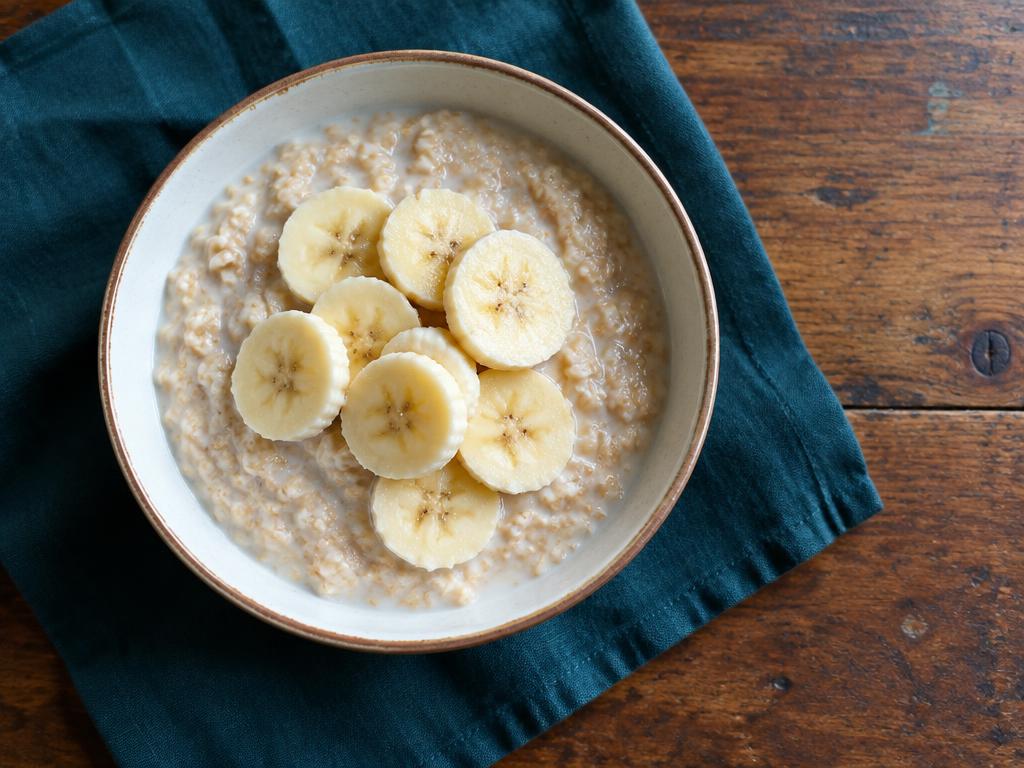

Banana oatmeal
How this food helps the athlete
Oats and banana supply carbohydrate to fuel running and repeated efforts. Milk or soy drink adds protein to support muscle repair after training.
Ingredients
- ½ cup oats
- 1 banana
- 1 cup milk or unsweetened soy drink
Preparation
- Cook oats with milk and a little water.
- Slice the banana on top.
Affordable swaps: Use seasonal fruit. · If milk is unsuitable, use soy drink or water and add an egg.
Check allergies: milk / soy
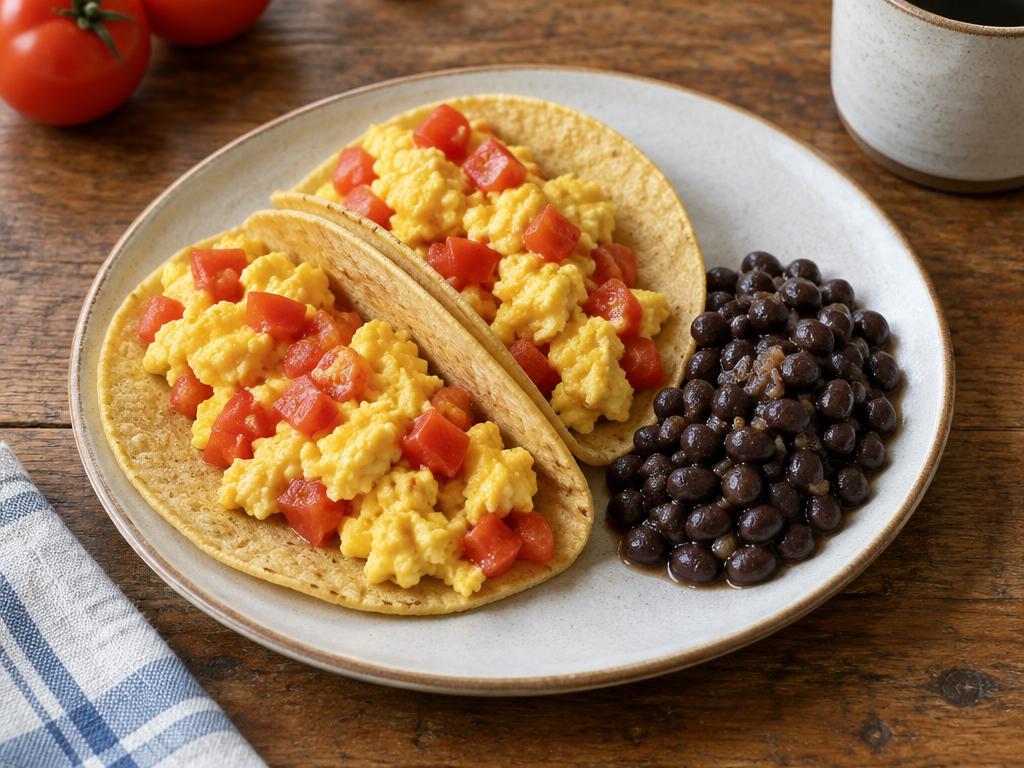
Egg and bean tacos
How this food helps the athlete
Tortillas and beans supply carbohydrate for training energy. Eggs and beans add protein to support muscle repair and growth.
Ingredients
- 2 eggs
- 2 corn tortillas
- ½ cup cooked beans
- Tomato
Preparation
- Cook eggs with tomato and a little oil.
- Serve in tortillas with beans.
Affordable swaps: Use whichever vegetables are available.
Check allergies: egg

Homemade bean molletes
How this food helps the athlete
Bread and beans supply carbohydrate for active mornings and to replenish energy after exercise. Beans and optional cheese add protein for muscle recovery.
Ingredients
- 1 bolillo bread roll
- ½ cup cooked beans
- Optional fresh cheese
- Tomato
Preparation
- Split bread and spread beans.
- Add tomato and optional cheese; heat through.
Affordable swaps: Use tortillas instead of bread. · Cheese is optional.
Check allergies: wheat, milk if cheese is added
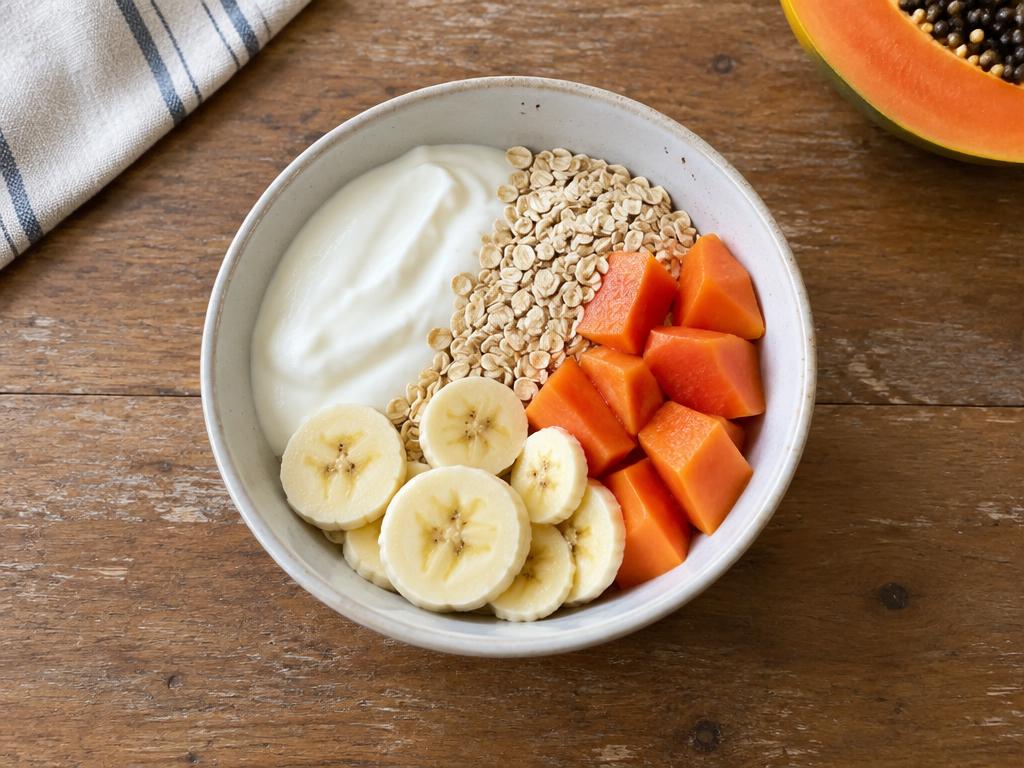
Yogurt, fruit and oats
How this food helps the athlete
Fruit and oats supply carbohydrate for training and refuelling afterward. Yogurt adds protein for muscle repair, making this a practical meal around a training day.
Ingredients
- 1 cup plain unsweetened yogurt
- 1 seasonal fruit
- ⅓ cup oats
Preparation
- Mix yogurt and oats.
- Wash or peel fruit and add it.
Affordable swaps: Choose banana, papaya or the cheapest seasonal fruit. · Without dairy, choose cooked oats and an egg.
Check allergies: milk
Keep perishable foods refrigerated.
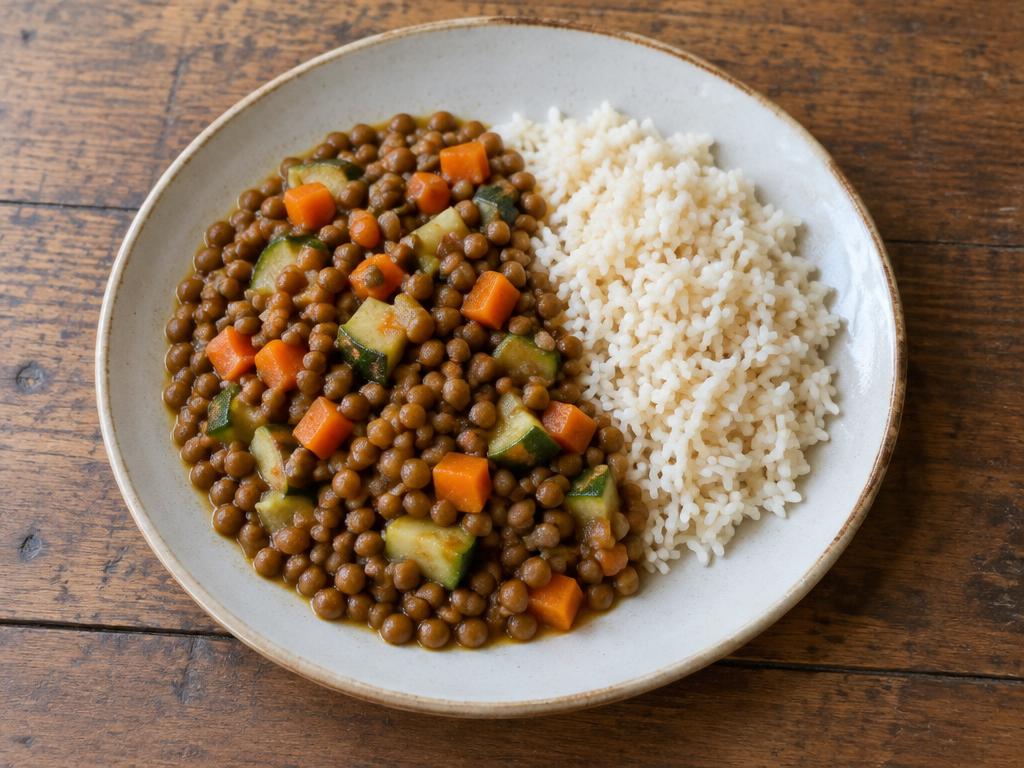
Lentils with rice and vegetables
How this food helps the athlete
Rice and lentils help replenish energy used during training. Lentils also provide plant protein to support muscle repair; vegetables contribute to a varied diet.
Ingredients
- ¾ cup cooked lentils
- ¾ cup cooked rice
- Carrot and zucchini
Preparation
- Cook vegetables with lentils.
- Serve with rice; refrigerate extra portions promptly.
Affordable swaps: Use beans instead of lentils. · Choose seasonal vegetables.
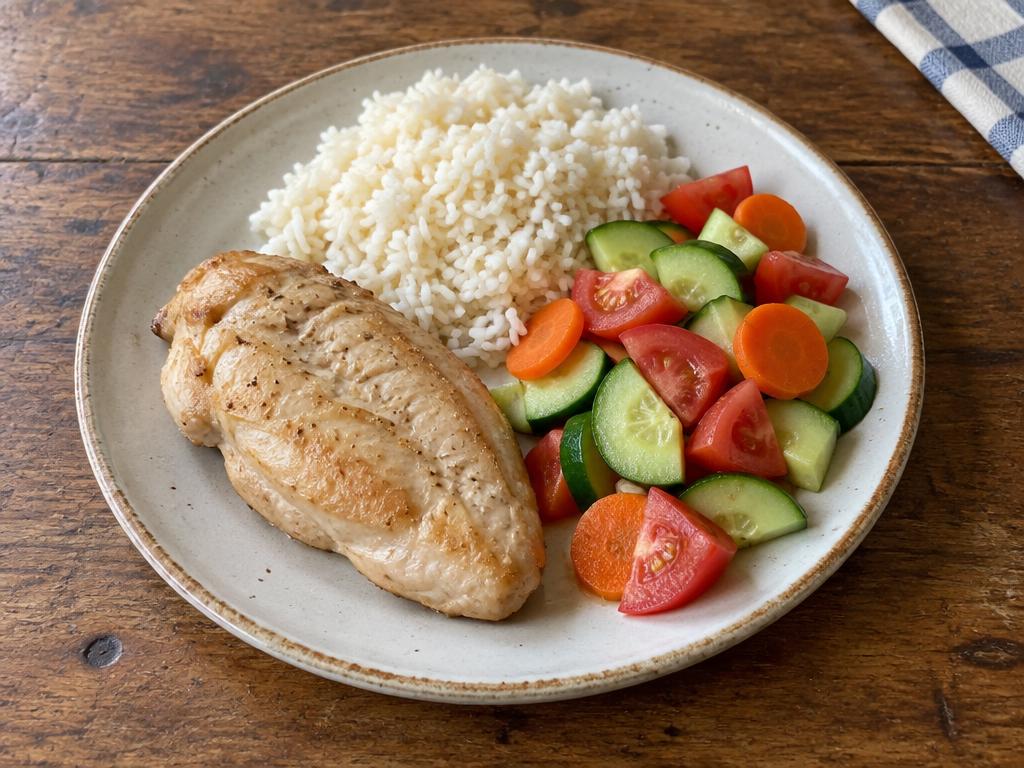
Chicken, rice and salad
How this food helps the athlete
Rice supplies carbohydrate to replenish energy after training. Chicken provides protein to support muscle repair and growth, while vegetables add variety to the meal.
Ingredients
- 1 portion cooked chicken
- ¾ cup cooked rice
- Seasonal vegetables
Preparation
- Cook chicken thoroughly.
- Serve with rice and washed vegetables.
Affordable swaps: Compare thigh and breast prices. · Replace chicken with eggs or beans.
Keep perishable foods refrigerated.
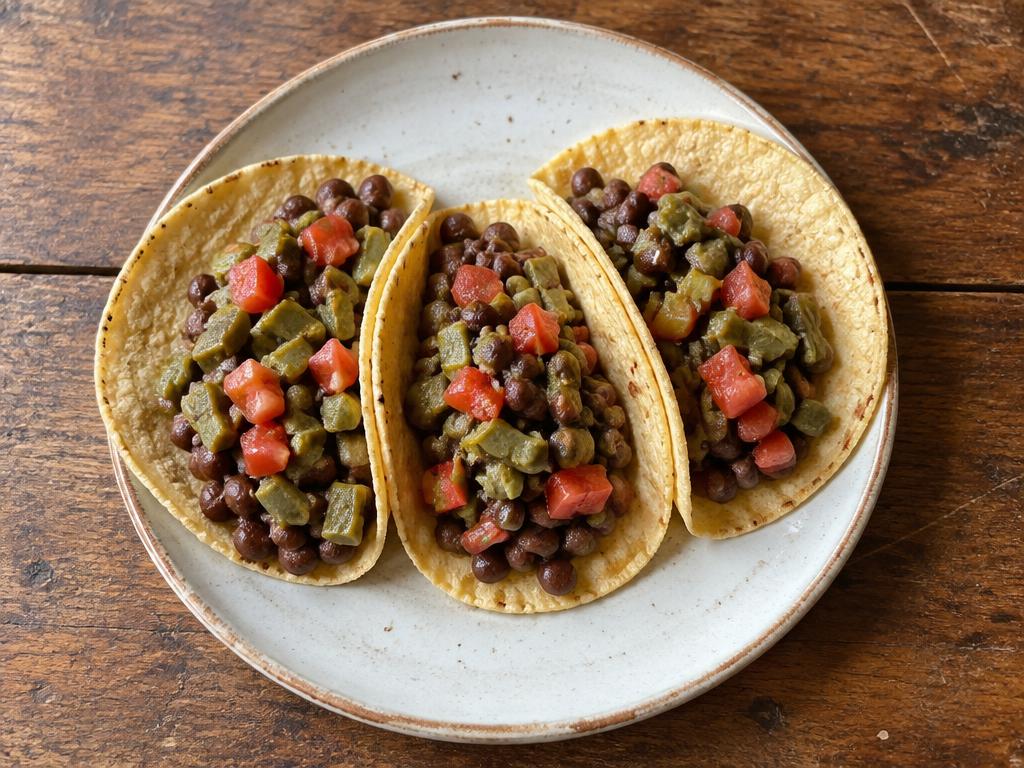
Bean and nopal tacos
How this food helps the athlete
Beans and tortillas supply carbohydrate for running and refuelling after exercise. Beans add plant protein for muscle repair, with nopales and tomato completing an affordable meal.
Ingredients
- ¾ cup cooked beans
- 3 corn tortillas
- Cooked nopales
- Tomato
Preparation
- Warm beans and tortillas.
- Fill with beans, nopales and tomato.
Affordable swaps: Use zucchini instead of nopales. · Add an egg if available.
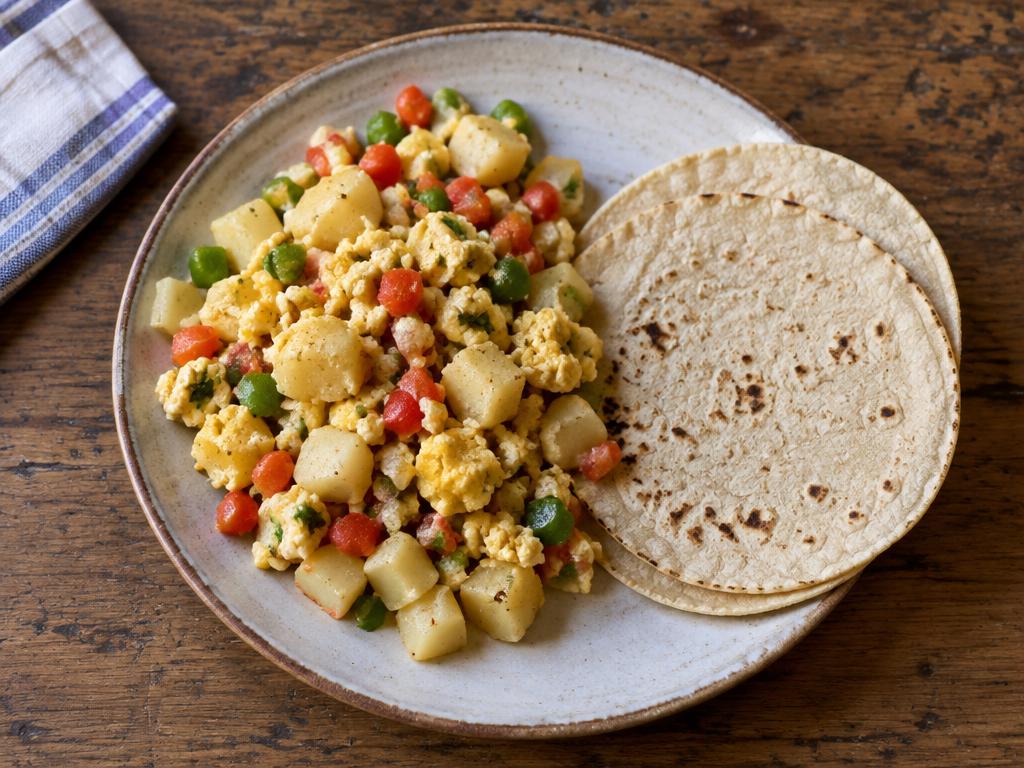
Potato, eggs and vegetables
How this food helps the athlete
Potato and tortillas supply carbohydrate for training energy and refuelling. Eggs add protein to support muscle repair after exercise.
Ingredients
- 1 medium potato
- 2 eggs
- Seasonal vegetables
- 1–2 corn tortillas
Preparation
- Boil cubed potato.
- Cook eggs with vegetables and potato; serve with tortillas.
Affordable swaps: Use cooked rice instead of potato.
Check allergies: egg
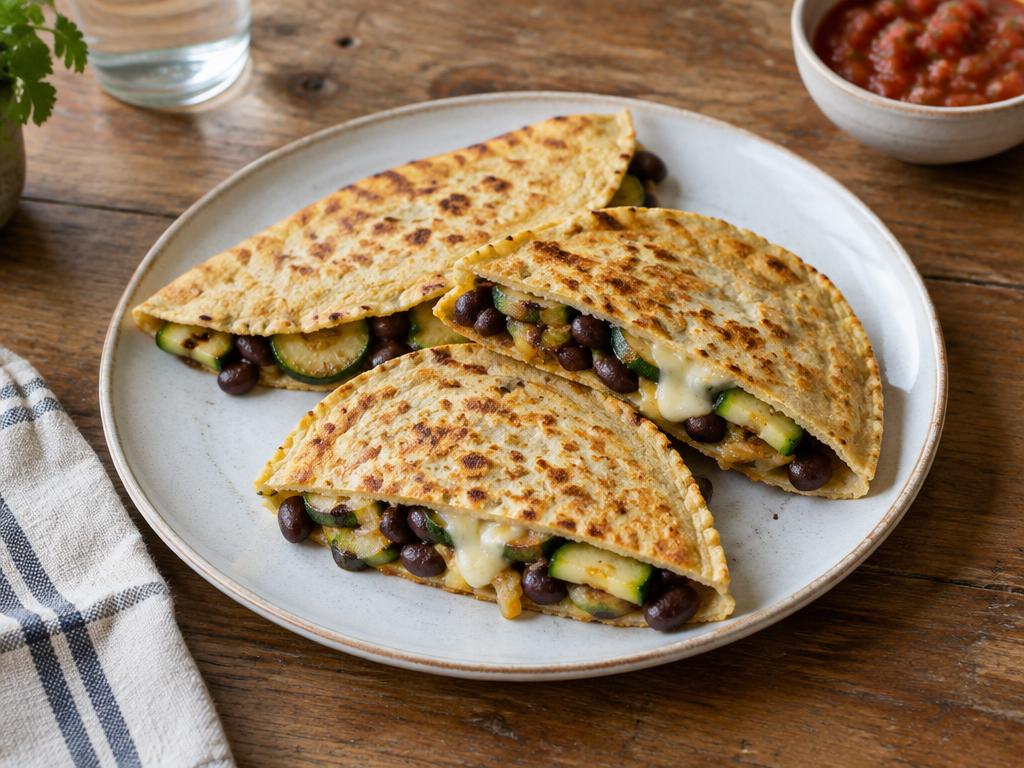
Bean quesadillas
How this food helps the athlete
Tortillas and beans help replace energy used during training. Beans and optional cheese provide protein to support muscle recovery before the next training day.
Ingredients
- 2–3 corn tortillas
- ½ cup beans
- Optional cheese
- Zucchini or nopales
Preparation
- Fill tortillas with beans and cooked vegetables.
- Add optional cheese and heat on a griddle.
Affordable swaps: Without cheese, make bean tacos. · Use available vegetables.
Check allergies: milk if cheese is added

Chicken and rice soup
How this food helps the athlete
Rice supplies carbohydrate for refuelling, and chicken provides protein for muscle repair. The broth contributes fluid after a long training day; keep drinking water as well.
Ingredients
- Cooked chicken
- ½–¾ cup cooked rice
- Carrot and zucchini
- Safe drinking water
Preparation
- Cook vegetables in safe water.
- Add chicken and rice; heat thoroughly.
Affordable swaps: Use chickpeas or beans instead of chicken. · Refrigerate leftovers promptly.
Keep perishable foods refrigerated.
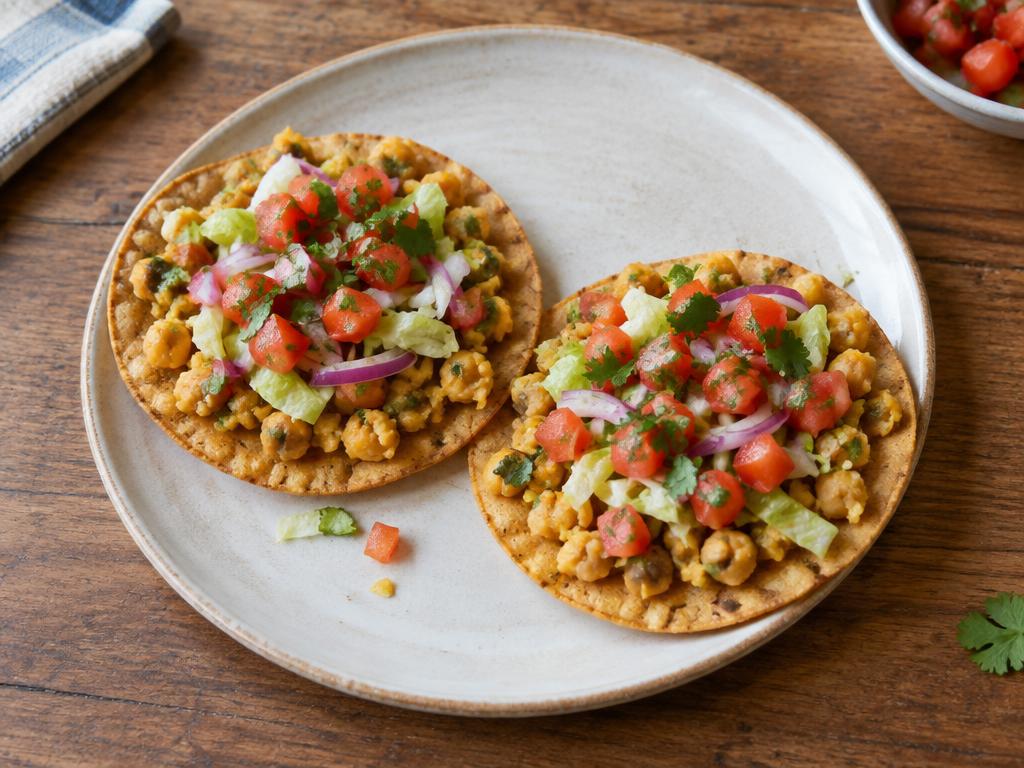
Chickpea tostadas
How this food helps the athlete
Chickpeas and tostadas supply carbohydrate to replenish training energy. Chickpeas also provide plant protein to support muscle repair in an affordable evening meal.
Ingredients
- ¾ cup cooked chickpeas
- 2 baked tostadas
- Tomato and washed vegetables
Preparation
- Mash chickpeas.
- Spread on tostadas and add vegetables.
Affordable swaps: Use beans if cheaper. · Use tortillas instead of tostadas.
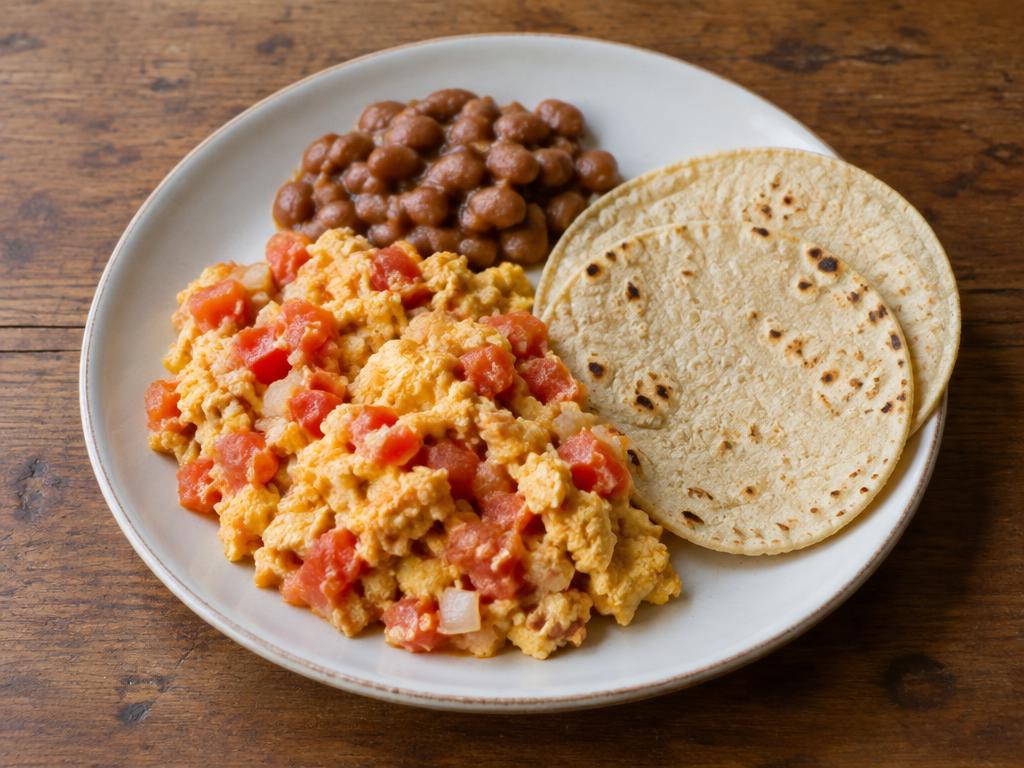
Mexican-style eggs
How this food helps the athlete
Eggs provide protein to support muscle repair and growth. Tortillas supply carbohydrate to replenish energy after training; optional beans add both carbohydrate and protein.
Ingredients
- 2 eggs
- Tomato and onion
- 2 corn tortillas
- Optional beans
Preparation
- Cook tomato and onion with a little oil.
- Add eggs and cook; serve with tortillas.
Affordable swaps: Add beans if still hungry after training. · Skip chili if it upsets your stomach.
Check allergies: egg
Example portions. Adjust for age, hunger and training load. Check allergies and refrigerate perishable foods.